


What Are Gum Pockets?
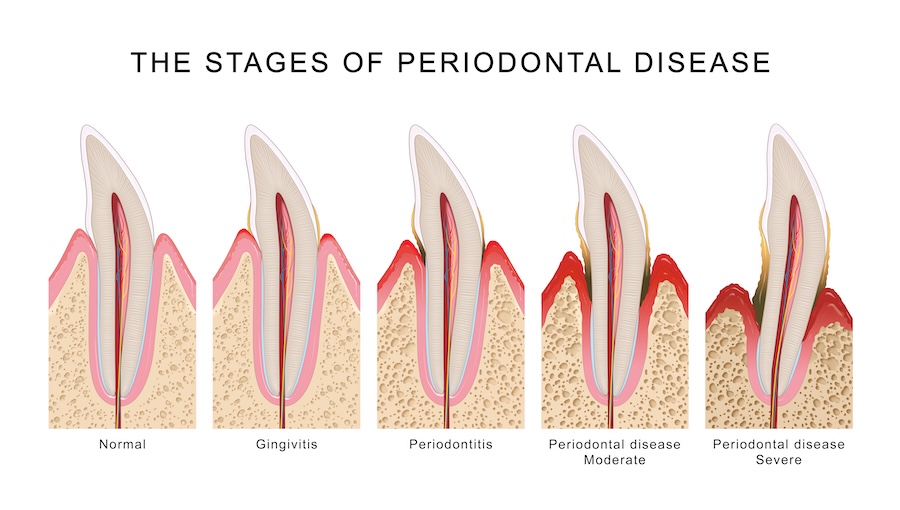
December 13, 2025 9:00 amGum pockets refer to the small spaces that can form between a tooth and the surrounding gum tissue. In a healthy mouth, these spaces are shallow — typically 1–3 millimeters deep. Healthy gums are firm, pink, and fit tightly around each tooth, helping protect the underlying bone and connective tissue.
However, when plaque and bacteria accumulate near the gumline, the gums can become irritated and start to pull away from the teeth. As inflammation progresses, these spaces — or pockets — deepen. This creates room for more plaque and harmful bacteria to hide, which can lead to further issues.
Gum pocket depth is measured by your dentist or hygienist using a gentle instrument called a periodontal probe. The number recorded — the “pocket depth” — helps determine how healthy your gums are.
Why Do Gum Pockets Form?
Gum pockets form because of inflammation and irritation caused by plaque buildup. Here’s how it often develops:
- Plaque Accumulation – Bacteria collect along the gumline after eating or drinking.
- Gum Irritation – If plaque isn’t thoroughly removed with daily brushing and flossing, the gums can become red, swollen, and tender.
- Gum Separation – Ongoing inflammation causes the gums to loosen, creating deeper spaces between the gum and tooth.
Pocket Formation – As these spaces deepen, they become gum pockets where bacteria continue to thrive.
The more these pockets deepen, the harder it is to clean them with regular brushing and flossing. That’s when professional dental care becomes especially important.
Healthy vs. Unhealthy Gum Pockets
Gum pocket depth is one of the clearest ways we evaluate your gum health — and even small changes can signal a shift beneath the surface.
- Healthy gums usually have pocket depths of 1–3 mm, with firm attachment to the teeth.
- Gingivitis, the earliest stage of gum disease, may cause bleeding or puffiness. Pocket depths can increase slightly — often to 4 mm — but there’s no bone loss at this stage.
- Periodontitis, a more advanced form of gum disease, is typically marked by pockets of 5 mm or deeper, along with radiographic evidence of bone loss and possible gum recession.
Because early signs are often painless, regular dental exams are key to catching gum disease before it leads to more serious damage.
Why Pocket Depth Matters
Measuring gum pocket depths gives your dentist insight into your gum health and how far inflammation may have progressed beneath the surface. It’s not just about how your gums look — it’s about the support system for your teeth.
Deeper pockets mean:
- More room for harmful bacteria to hide
- Harder cleaning with regular brushing and flossing alone
- Higher risk of infection and bone loss
- Greater potential for teeth to loosen over time
By catching changes in pocket depth early, Dr. Holleman and our team can recommend treatments that prevent further progression and keep your gum‑tooth attachment strong.
How Gum Pockets Are Treated
Treatment depends on how deep the pockets are and whether gum tissue and bone have been affected. Options may include:
Professional Cleaning
When pockets are shallow to moderate, a thorough professional cleaning — including scaling and root planing — removes plaque and tartar from below the gumline.
Periodontal Maintenance
If pockets are persistent or have been treated in the past, more frequent cleanings may be recommended to keep bacteria under control and prevent progression.
Guided Tissue Procedures
For deeper pockets or significant tissue detachment, surgical options may be discussed to reduce pocket depth and help gums reattach more securely.
Throughout treatment, your daily home care remains essential — gentle brushing, proper flossing, and regular follow‑ups help support gum health between visits.
What You Can Do Every Day
Good oral hygiene can slow or stop the progression of gum pockets before they become more serious. Here’s how:
- Brush twice a day with a soft‑bristled toothbrush
- Floss daily to remove plaque between teeth
- Use an antiseptic mouthrinse if recommended
- Keep up with regular dental checkups and cleanings
Even if you don’t notice pain or discomfort, gum pockets can develop quietly — which is why professional evaluation is important.
Supporting Gum Health at Lynn Lane Family Dentistry
Gum pockets aren’t just a dental term — they’re a valuable indicator of your oral health. While gum inflammation can progress silently, it doesn’t have to go unchecked. With routine exams, accurate measurements, and personalized care from Dr. Valerie Holleman and the team at Lynn Lane Family Dentistry, you can stay on top of gum health and protect your smile for years to come.
If you have questions about your recent pocket measurements, noticed bleeding gums, or want to talk about your gum health, we’re here to help. Call our Broken Arrow, OK office today to schedule an evaluation — and let’s keep your gums as strong as your smile.
Contact UsCategorised in: Periodontal Therapy