


Root Canal vs. Extraction: Which Option Is Best for You?
May 20, 2026 9:00 amWhen a tooth is badly infected, cracked, or painful, it is easy to jump straight to the worst-case scenario. Some patients assume the tooth needs to come out. Others worry that a root canal will be painful, expensive, or only a temporary fix. Meanwhile, the tooth keeps aching, chewing feels risky, and the decision starts to feel heavier than it should.
When you are in pain, it is tempting to choose based on which option sounds less stressful. Pull it and be done, or save it and hope the tooth holds up. In reality, the decision usually comes down to whether the tooth has a solid future. A root canal is designed to treat infection inside the tooth while keeping the natural tooth in place. An extraction removes the tooth when it cannot be repaired predictably or when keeping it would create more problems.
At Lynn Lane Family Dentistry in Broken Arrow, OK, Dr. Valerie Holleman helps patients compare root canal treatment and extraction based on the condition of the tooth, the surrounding bone and gums, symptoms, comfort, cost, and future replacement needs. The right choice depends on what is happening below the surface, not just how the tooth feels today.
What a Root Canal Is Meant to Do
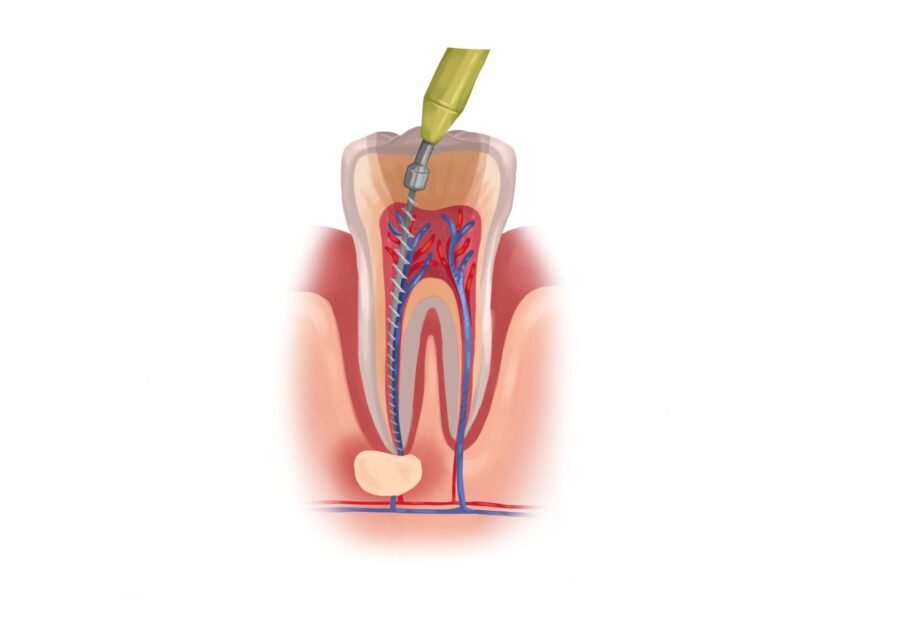
A root canal is used when the pulp inside a tooth becomes inflamed or infected. The pulp contains nerves, blood vessels, and soft tissue. Deep decay, cracks, trauma, or a failing restoration can allow bacteria to reach that inner space, which may lead to pain, swelling, sensitivity, or infection near the root.
During root canal treatment, the damaged pulp is removed from inside the tooth. The canals are cleaned, shaped, disinfected, and sealed. After that, the tooth is restored with a filling or, in many cases, a crown to protect it from chewing pressure.
The goal of a root canal is to save the natural tooth. If the tooth still has enough healthy structure and support, root canal therapy can remove the source of infection while allowing you to keep your tooth in place. That can help preserve your bite, chewing ability, and the spacing between nearby teeth.
Root canals have a reputation that is often worse than the actual appointment. Modern treatment is done with local anesthesia, and many patients are surprised that it feels similar to getting a longer filling. The tooth may be sore afterward, especially if it was painful before treatment, but the goal is to relieve the deeper infection or nerve pain.
What an Extraction Is Meant to Do
A tooth extraction removes a tooth that cannot be saved or should not remain in the mouth. This may be recommended if the tooth is badly cracked, severely decayed, loose from gum disease, or damaged in a way that makes long-term repair unlikely.
An extraction is not usually the first choice when a tooth can be restored well. However, there are times when removing the tooth is the healthier and more predictable option. If a tooth has a deep vertical crack, very little healthy structure left, or poor bone support, a root canal may not solve the real problem.
The purpose of an extraction is to remove the source of pain, infection, or damage. Once the tooth is removed, the area can heal, and your dentist can talk with you about whether the missing tooth should be replaced.
Replacement planning matters. Depending on where the tooth is located, leaving the space empty may allow nearby teeth to shift, affect chewing, or change how your bite comes together. Dental implants, bridges, and partial dentures are common options, and each has its own timeline, cost, and maintenance needs.
When Saving the Tooth May Be the Better Choice
Saving the tooth is often preferred when the tooth has a good long-term outlook. This usually means the roots are stable, the surrounding bone support is healthy enough, and there is enough natural tooth structure left to support a final restoration.
For example, a tooth with deep decay may still be savable if the decay has not destroyed too much of the tooth. A root canal can remove the infected tissue, and a crown can protect the tooth afterward. In that situation, keeping the natural tooth may help maintain normal chewing and bite stability.
Natural teeth have advantages. They help preserve spacing, support the bite, and keep chewing forces distributed in a familiar way. When a tooth is removed, the body has to adjust, and replacement may be needed to restore function.
However, saving a tooth only makes sense if the repair is expected to hold up. Dr. Valerie Holleman can evaluate whether root canal treatment would give the tooth a reasonable chance or whether extraction would be a more practical choice.
When Extraction May Be the Better Choice
Extraction may be recommended when the tooth cannot be repaired predictably. A root canal treats the inside of the tooth, but it does not fix every structural problem. If the tooth is cracked through the root, broken below the gumline, or too weak to hold a crown, removing it may be the better option.
Severe gum disease can also change the recommendation. Even if the tooth’s nerve could be treated, the tooth still needs bone and gum support to stay stable. If that support has been lost, a root canal may not help the tooth function well over time.
Extraction may also make sense if infection keeps returning around a tooth that has already had treatment, especially when the tooth also has cracks, decay, or failing dental work. In those cases, repeated attempts to save the tooth may not be the best use of time, money, or comfort.
This does not mean extraction is a failure. Sometimes it is the cleaner, healthier way to remove a problem and plan for a more stable replacement.
Pain Level Does Not Always Tell You Which Treatment You Need
It is natural to think severe pain means the tooth must be pulled, but pain does not always work that way. A tooth with intense nerve inflammation may be very painful and still be a good candidate for a root canal. On the other hand, a tooth with a deep crack may only hurt when you bite, yet still be too damaged to save.
Some infected teeth even stop hurting for a while. That can happen if the nerve tissue inside the tooth dies, but the infection may still be present near the root. When pain fades, it does not always mean the tooth healed.
Your dentist will look beyond symptoms. X-rays, bite tests, cold testing, gum measurements, and a visual exam can help show whether the issue is decay, infection, fracture, gum disease, or a failing restoration.
The most useful answer comes from diagnosis. Once Dr. Valerie Holleman can see what is happening with the tooth, the decision between root canal treatment and extraction becomes much clearer.
How Your Dentist Decides Which Option Makes Sense
Choosing between a root canal and extraction usually starts with the same question: can the tooth be restored after treatment? A root canal may remove infection, but the tooth still needs enough structure to hold a filling or crown afterward.
Your dentist will also look at the roots and surrounding bone. A tooth with good bone support has a better chance of lasting after treatment. If the tooth is loose, the bone is badly damaged, or gum disease has progressed too far, extraction may be more realistic.
Cracks are another major factor. Some cracks can be managed with a crown. Others extend too deep and allow bacteria to keep entering the tooth. If the crack reaches the root, root canal treatment may not be enough.
Cost, timing, health history, comfort, and personal preferences also matter. A good treatment plan should explain the clinical recommendation and the practical side, including what the tooth needs now and what may be needed later.
What Happens During a Root Canal
If a root canal is recommended, the tooth and surrounding area are numbed first. Once you are comfortable, the dentist creates a small opening in the tooth to access the infected or inflamed pulp.
The damaged tissue is removed, and the inside of the tooth is cleaned and shaped. The canals are then filled and sealed to help prevent bacteria from returning. Depending on the tooth, a temporary or permanent filling may be placed at the end of the appointment.
Many back teeth need crowns after root canal treatment because they handle heavy chewing forces. A crown helps protect the tooth from cracking and restores a stronger biting surface. Front teeth may not always need crowns, depending on how much structure remains.
After treatment, mild soreness can happen for a few days. This is usually related to inflammation around the tooth and should gradually improve. If pain worsens or swelling develops, the office should be contacted.
What Happens During an Extraction
If extraction is the better option, the area is numbed before the tooth is removed. The procedure depends on the tooth’s condition, location, root shape, and whether it is broken or infected. Some extractions are straightforward, while others require more careful sectioning or removal.
After the tooth is removed, a blood clot forms in the socket. This clot protects the area while healing begins. You will receive instructions about biting on gauze, eating soft foods, avoiding straws, and keeping the area clean without disturbing the clot.
Recovery is usually most sensitive during the first few days. Some soreness, swelling, or mild bleeding can happen, but symptoms should gradually improve. Worsening pain after a few days, fever, heavy bleeding, or a bad taste should be reported to the dental office.
Once healing is underway, your dentist can discuss replacement options if needed. In some cases, replacement planning may begin before the extraction so you know what to expect next.
Why Replacing an Extracted Tooth Often Matters
Removing a tooth may solve the immediate problem, but it also leaves a space. Depending on where that space is, the surrounding teeth may slowly shift. The tooth above or below the space may also move because it no longer has anything to bite against.
These changes can affect chewing, bite balance, and the way teeth come together. You may start chewing more on one side, which can place extra stress on other teeth. Over time, this can contribute to wear, cracks, or jaw discomfort.
Common tooth replacement options include dental implants, bridges, and partial dentures. A dental implant replaces the tooth root and supports a crown. A bridge uses nearby teeth to support a replacement tooth. A partial denture is removable and can replace one or more missing teeth.
The right option depends on your oral health, bone support, budget, timeline, and goals. If extraction is recommended, it is helpful to talk about replacement early so the next step does not feel like a surprise.
Cost Can Look Different Up Front and Long Term
Cost is one of the biggest questions patients have when comparing a root canal and extraction. An extraction may cost less at first, but the total cost can change if the tooth needs to be replaced later. A root canal may cost more initially, especially if a crown is needed afterward, but it may allow you to keep your natural tooth.
Insurance can also affect the decision. Some plans may cover part of a root canal, crown, extraction, implant, bridge, or partial denture. However, coverage varies, and plans may include deductibles, annual maximums, waiting periods, or exclusions.
It helps to compare the full treatment path, not just the first appointment. For a root canal, that may include the root canal and crown. For an extraction, that may include the extraction and possible replacement.
At Lynn Lane Family Dentistry, the team can help review estimates and explain the dental reasons behind each option. The goal is to help you make a decision with a clearer view of both health and cost.
Why Waiting Can Limit Your Choices
When a tooth is infected, cracked, or badly decayed, waiting usually makes the situation harder. A tooth that could be saved today may become too damaged later. Decay can spread, cracks can deepen, and infection can affect the bone around the root.
Pain that comes and goes can be misleading. A tooth may feel better for a while, but the underlying issue may still be progressing. This is especially true with infections, which can worsen even when symptoms are not constant.
Waiting can also turn a planned visit into an emergency. Emergency care often happens when pain, swelling, or a broken tooth leaves fewer options and less time to think through the decision calmly.
Scheduling an exam early does not mean you automatically need major treatment. It means you get information while there may still be more choices available.
Questions to Ask Before You Decide
Before you decide, ask your dentist to walk you through what they are seeing. Is there enough tooth left to restore? Are the roots and bone support healthy enough? Would the tooth need a crown after a root canal? These answers can make the choice feel less like a guess and more like a plan.
You may also want to ask what happens if the tooth is removed. Will it need to be replaced? What replacement options would work for that space? How soon would replacement be recommended?
Ask about recovery, cost, insurance estimates, and long-term expectations. A tooth that can be saved may still need maintenance, while an extracted tooth may require a larger plan to restore the space.
Clear answers make the decision easier. You should understand not only what is recommended, but why that option fits your tooth.
Root Canal and Extraction Care in Broken Arrow, OK at Lynn Lane Family Dentistry
Root canal treatment and extraction both have a place in dentistry. A root canal may be best when the tooth can still be saved and restored. Extraction may be best when the tooth is too cracked, too damaged, too loose, or too infected to repair predictably.
At Lynn Lane Family Dentistry in Broken Arrow, OK, Dr. Valerie Holleman helps patients understand their options without making the decision feel rushed. The team can evaluate the tooth, explain what the exam shows, and walk you through what each treatment would involve.
If you have tooth pain, swelling, bite discomfort, a cracked tooth, or a deep cavity, schedule a visit with Lynn Lane Family Dentistry. A clear diagnosis can help you choose the option that protects your health, comfort, and long-term smile.
FAQs
Is it better to get a root canal or pull the tooth? It depends on whether the tooth can be saved. A root canal may be better if the tooth has enough healthy structure and bone support. Extraction may be better if the tooth is cracked through the root, too damaged, or too loose to restore predictably.
Does a root canal hurt more than an extraction? Both treatments are done with local anesthesia, so the area should be numb during the procedure. Root canal treatment is meant to remove the source of infection or nerve pain. Extraction removes the tooth and has a different healing process afterward.
Why not just pull the tooth instead of getting a root canal? Pulling the tooth may solve the immediate problem, but it leaves a space that can affect chewing, bite alignment, and nearby teeth. If the tooth can be saved in a reliable way, keeping it may help preserve natural function.
When is extraction the better option? Extraction may be better when the tooth has a deep crack, severe decay below the gumline, poor bone support, advanced gum disease, or not enough healthy structure left for a crown. Your dentist can determine this with an exam and X-rays.
Will I need a crown after a root canal? Many back teeth need crowns after root canal treatment because they handle heavy chewing pressure. A crown helps protect the tooth from cracking. Front teeth may not always need crowns if enough healthy tooth structure remains.
What happens if I do not replace an extracted tooth? Nearby teeth may shift into the space, and the opposing tooth may move because it no longer has a tooth to bite against. This can affect chewing and bite balance over time, depending on the tooth’s location.
How do I know which option is right for me? The best way to know is through a dental exam, X-rays, and testing the tooth. Dr. Valerie Holleman can evaluate the tooth’s structure, roots, infection level, gum support, and long-term outlook before recommending a root canal or extraction.
Contact UsImage from Authority Dental under CC 2.0
Categorised in: Root Canal Therapy, Tooth Extraction