

Are Surgical Tooth Extractions Covered by Insurance?
September 22, 2026 9:00 amIf Dr. Valerie Holleman tells you that a tooth needs to be surgically removed, the next question may come pretty quickly: how much is my insurance going to pay? Dental insurance often helps with surgical extractions, but the exact amount depends on your plan. Two people can have the same procedure and still end up with different out-of-pocket costs.
At Lynn Lane Family Dentistry in Broken Arrow, we accept dental insurance and can help patients understand their benefits before treatment. Our team can also provide a breakdown of estimated costs, process your claim, and track the payment afterward.
A surgical extraction can sound like a much bigger insurance hurdle than a regular extraction, but it is a common dental procedure. What usually affects the final cost is how your plan classifies the procedure, what percentage it covers, and how much of your annual benefit is still available.
What Is a Surgical Tooth Extraction, and Why Would You Need One?
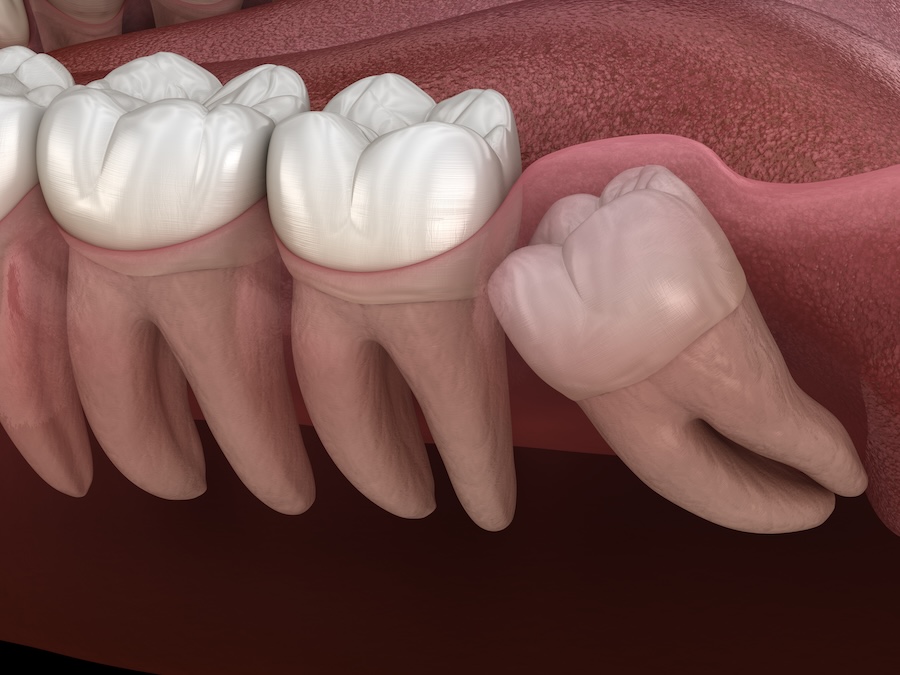
A simple extraction is usually used when the tooth is fully visible above the gumline and can be loosened and removed with dental instruments. A surgical extraction is used when the tooth is harder to access, such as when it is broken near the gumline, partially erupted, or still covered by gum or bone. In those cases, Dr. Holleman may need to make a small opening in the gum, remove a little bone, or divide the tooth into sections so it can be removed safely.
Wisdom teeth are a familiar example, although they are not the only teeth that may need surgical removal. A badly fractured molar can also require a surgical approach if there is not enough tooth above the gumline to grasp safely. Sometimes the shape or position of the roots can make a surgical extraction the better option too.
Usually, Dr. Holleman can tell what type of extraction is likely after an exam and X-rays. That gives us a clearer idea of what the procedure may involve and gives our team something specific to use when estimating your insurance benefits.
Are Surgical Tooth Extractions Covered by Insurance?
Many dental insurance plans provide some coverage for surgical tooth extractions when the procedure is necessary. However, plans vary in how they classify treatment and how much they will pay. Deductibles, annual maximums, network rules, and other plan limits can all affect your portion.
Because a surgical extraction is more involved than a simple extraction, the fee is usually different too. Your insurance company will look at the procedure code submitted with the claim and apply the benefits included in your plan. After that, whatever is not covered becomes your responsibility.
Some plans treat surgical extractions as a basic service, while others place them in a major-services category. A common coverage level you may see is around 50% after the deductible, although some plans pay more and others pay less. The only reliable number is the one tied to your specific plan, so we can review that with you before treatment.
How Much Will Dental Insurance Pay?
There is no standard percentage that applies to every policy. One plan may cover around half of the allowed fee, while another may pay a higher percentage or place more limits on the procedure. Your deductible and remaining annual maximum can also change what the insurance company contributes.
For example, if your plan covers 50% of a surgical extraction after the deductible, that does not always mean you will owe exactly half of the office fee. The plan may base its payment on an allowed amount, and any deductible still has to be applied. Network status can affect the math too.
Your annual maximum can sneak up on you as well, especially if you have already had a crown, root canal, or another larger procedure earlier in the year. So even when the extraction is covered, the amount of benefit you have left can change what the plan actually pays.
Does Being in Network Affect the Cost?
With many PPO dental plans, in-network dentists agree to contracted fees for covered services. Patients can often still receive benefits at an out-of-network office, although their share may be higher depending on the plan.
Lynn Lane Family Dentistry is in network with several PPO insurance companies, including Delta Premier, Careington, Blue Cross Blue Shield of Oklahoma, MetLife, Cigna, UnitedHealthcare, and Aetna. Because networks and individual plans can change, we recommend checking your specific coverage before treatment.
Even within the same insurance company, one employer’s plan may cover treatment differently from another. So the company name by itself does not tell us your exact deductible, annual maximum, coverage percentages, or network rules. We need the details of your specific plan to give you a more useful estimate.
Will Insurance Cover X-Rays or Other Care Around the Extraction?
There may be a few other charges connected with the extraction visit. X-rays are often needed so Dr. Holleman can see the roots, surrounding bone, and nearby structures before removing the tooth. Depending on your situation, you may also need an exam or another service related to the extraction.
Each of those services can have its own insurance benefit. For instance, your plan may cover an X-ray differently from the extraction itself, and frequency limits can sometimes come into play if similar imaging was taken recently.
Afterward, most patients do well by following their post-op instructions and keeping up with the usual home care while the area heals. But if a socket starts hurting more instead of less, swelling picks back up, or something just feels off a few days later, we may want to see you again. If another visit or procedure is needed, our front office can help you sort out how your insurance may handle it.
What If You Need a Bone Graft After the Tooth Is Removed?
If you are planning to replace the missing tooth with a dental implant, Dr. Holleman may discuss preserving or rebuilding the bone after the extraction. A bone graft is billed separately from removing the tooth, so insurance may handle it differently.
Coverage for grafting varies quite a bit from one plan to another. Some dental plans contribute toward it in certain situations, while others exclude it or provide limited benefits. If a graft is part of your treatment plan, we can include it when reviewing your estimated costs.
When several procedures are being done together, we can walk through the estimate line by line so you can see which charges are connected to each part of your care. That usually makes the insurance portion much easier to follow.
What About Wisdom Tooth Extractions?
Wisdom tooth coverage depends on many of the same factors as other surgical extractions, including your plan, deductible, annual maximum, and whether the procedure is considered necessary. Impacted wisdom teeth may require surgical removal because part or all of the tooth is trapped under the gum or bone.
In some situations, medical insurance may become involved, although that varies by case and policy. Dental insurance is usually the first place to look for routine wisdom tooth coverage, while more complicated circumstances may be handled differently.
If you are unsure which insurance applies, bring both your dental and medical insurance information. Our team can review what you have and help you figure out where to start. Sorting that out before treatment is a lot easier than trying to make sense of paperwork while you are recovering with an ice pack against your cheek.
Can You Find Out the Cost Before the Extraction?
In most cases, we can give you an estimate before treatment. Once Dr. Holleman has examined the tooth and determined what type of extraction is needed, our team can review your benefits and provide a breakdown of the expected fee, estimated insurance contribution, and your portion.
The important word there is “estimate.” We use the benefit information provided by your insurance company, but the insurance company makes the final decision once the claim is processed. Deductibles, annual maximums, coverage rules, or other limitations can sometimes change the final amount.
If your estimated portion is more than you can comfortably pay at once, ask about payment options before putting off a tooth that needs to come out. Lynn Lane Family Dentistry accepts CareCredit in addition to dental insurance, which may allow eligible patients to divide out-of-pocket costs into payments.
Surgical Tooth Extractions and Dental Insurance at Lynn Lane Family Dentistry
Many dental insurance plans help cover surgical tooth extractions, but your exact benefits depend on the plan you have. The type of extraction, deductible, remaining annual maximum, network status, and any additional procedures can all affect what you pay. Once Dr. Holleman knows what the tooth needs, our team can give you a much clearer idea of the expected cost.
Lynn Lane Family Dentistry accepts dental insurance and works with several major PPO networks in Broken Arrow. If you have a tooth that may need to be removed, schedule a visit with Dr. Valerie Holleman and our team so we can examine it, review your insurance benefits, and help you plan the next step!
Contact UsCategorised in: Financial, Tooth Extraction