


Surgical Tooth Extraction Recovery: What to Expect and When to Call
August 18, 2026 9:00 amA surgical tooth extraction is more involved than a simple extraction because the dentist may need to open the gum, remove a small amount of bone, divide the tooth into sections, or place stitches afterward. Because of that, the first few days can include soreness, swelling, jaw stiffness, and a little bleeding. Most of those symptoms should gradually ease as healing continues.
At Lynn Lane Family Dentistry in Broken Arrow, OK, Dr. Valerie Holleman gives patients specific instructions based on the tooth that was removed and how involved the procedure was. However, there are some general signs that usually fit normal healing, along with a few changes that deserve a call. Knowing what to watch for can make the first week easier to manage without feeling like you need to inspect the socket every time you pass a mirror.
What Makes an Extraction Surgical?
Some teeth can be loosened and removed without making an incision in the gum. However, other teeth may be broken below the gumline, impacted, badly decayed, or positioned in a way that makes removal more involved. In those cases, a surgical extraction may be needed.
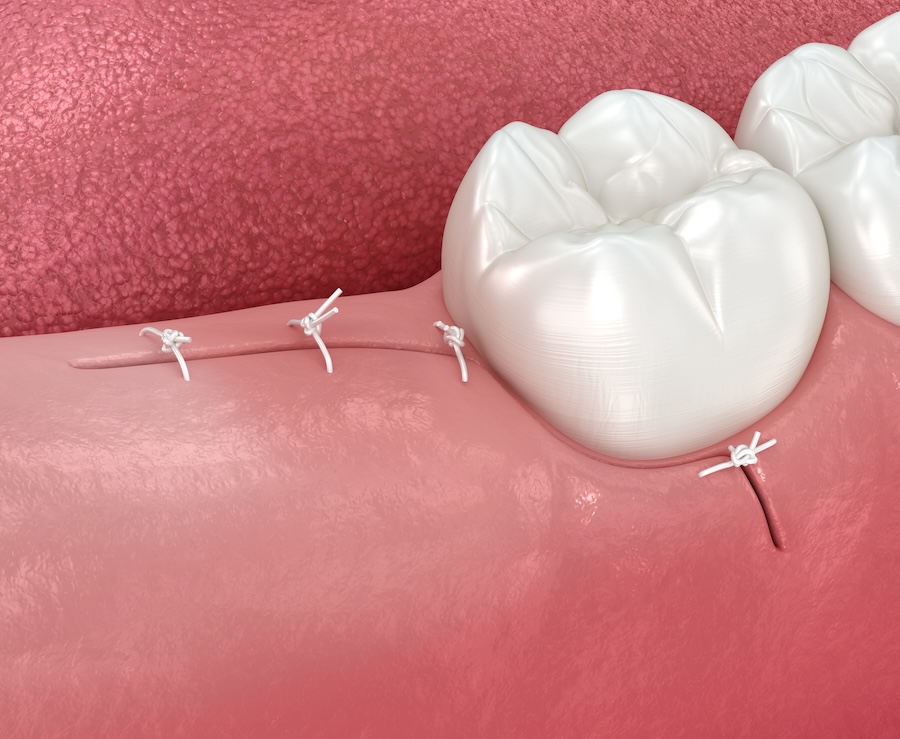
During the procedure, Dr. Holleman may open the gum tissue to reach the tooth more clearly. Depending on the situation, a small amount of surrounding bone may also need to be removed, or the tooth may be divided into sections so each piece can be taken out more easily. Then, once the tooth is removed, stitches may be placed to help the tissue heal.
Since the surrounding tissue may have been worked on more extensively, recovery can feel different from a simple extraction. Still, the mouth begins healing right away, and the first few days are usually the most noticeable. After that, soreness and swelling should begin easing.
The Blood Clot Is Important During Early Healing
Once the tooth is removed, a blood clot forms inside the socket. That clot covers the underlying bone and nerves while new tissue begins developing underneath it. So, during the first couple of days, protecting the clot is an important part of taking care of the extraction site.
You may have some oozing shortly after surgery, and your saliva can look pink or lightly blood-tinged. However, steady or heavy bleeding is different. Biting firmly on the gauze provided by the office can help with early bleeding, and Dr. Holleman will tell you how long to keep pressure on the area.
Meanwhile, try not to keep pulling your cheek aside to inspect the socket. Extraction sites rarely look especially impressive while they are healing, and checking them over and over does not tell you much. It is usually more helpful to pay attention to how the bleeding, swelling, and soreness are changing from one day to the next.
Some Soreness Is Expected
Once the anesthetic wears off, the area will usually feel sore. The gum tissue has been treated, and the bone around the tooth may have been involved too, so tenderness during the first few days is common. If you had bone grafting to prepare for a dental implant, you may have some additional soreness or swelling while the grafted area heals. You may notice it more when chewing, opening wide, or brushing near the surgical area.
However, the discomfort should gradually become easier to manage. You may have a rougher evening after the procedure or feel more sore the next morning, but then the pain should begin settling. Follow the medication instructions Dr. Holleman gives you, especially during that early part of recovery.
Nearby teeth can feel a little tender as well. After all, the area around them has just been worked on too. Still, pain that becomes significantly stronger after you had started feeling better is a different pattern and should be reported.
Swelling May Increase Before It Improves
Swelling does not always peak immediately after the extraction. Instead, it can increase during the first couple of days before it begins going down. So, waking up a little puffier the next morning does not necessarily mean something is wrong.
Cold packs may be recommended during the early part of recovery. If Dr. Holleman gives you instructions for using them, follow the timing she recommends rather than keeping ice against your face continuously. Then, as the days pass, the swelling should start settling.
You may also notice some bruising along the cheek or jaw after a more involved extraction. That can linger longer than the swelling itself. However, swelling that continues getting larger, especially with fever, drainage, or worsening pain, should be checked.
Jaw Stiffness Can Happen Too
After a surgical extraction, the jaw can feel stiff for a few days. Holding your mouth open during treatment, along with swelling around the area, can make opening wide uncomfortable afterward. This is often more noticeable after back-tooth or wisdom-tooth extractions.
Because of that, smaller bites and softer foods may be easier at first. A thick sandwich may sound fine until you realize just how wide you have to open your mouth to eat it. Then, as the stiffness eases, you can gradually return to foods that require more chewing.
However, do not force the jaw open aggressively because it feels tight. Gentle, normal movement is usually more comfortable while the area heals. If opening becomes more difficult instead of easier, call the office.
What Should You Eat After a Surgical Extraction?
Once the numbness has worn off enough to eat safely, start with foods that require very little chewing. Yogurt, eggs, oatmeal, mashed potatoes, pasta, soup that has cooled down, smoothies eaten with a spoon, and other soft foods can all work well. Then, as the area becomes less tender, you can gradually add firmer foods.
For the first few days, however, avoid foods that are hard, crunchy, sharp, or likely to break into small pieces. Popcorn, chips, nuts, seeds, and crusty foods can find their way toward the healing socket. Somehow, those tiny crumbs always seem to be much more determined after a tooth has been removed.
Also, chew away from the surgical area when possible. You do not need to analyze every bite, but giving that side a break can make meals more comfortable. As healing continues, normal chewing can gradually return.
Avoid Straws, Forceful Spitting, and Strong Suction
During early healing, the clot inside the socket needs to stay in place. Because of that, Dr. Holleman may tell you to avoid straws for a period after surgery. Strong suction can disturb the healing site.
The same applies to forceful spitting and aggressive rinsing. If you need to empty liquid from your mouth, let it fall out gently rather than creating a lot of pressure. Then, once you are cleared to rinse, keep the motion easy around the surgical area.
For the first day, the socket does not need vigorous cleaning. It needs time for the clot and surrounding tissue to stay undisturbed. After that, cleaning can gradually resume according to the instructions you were given.
When Can You Brush Your Teeth?
Your other teeth still need to be brushed after an extraction. However, the surgical site itself needs a gentler approach. Dr. Holleman will tell you when and how to begin cleaning near the area based on the extraction and whether stitches were placed.
When you do brush nearby, use a soft toothbrush and avoid scrubbing directly into the socket. Then, as the tissue closes and becomes less tender, you can gradually clean closer to the area. Meanwhile, keeping the rest of the mouth clean helps reduce plaque and food buildup around the surgical site.
If food starts collecting near the socket later in recovery, do not dig at it with a fingernail, toothpick, or another object. That can irritate the tissue or disturb healing. Instead, call us if you are unsure how Dr. Holleman wants you to clean that area.
Salt Water Rinses May Be Recommended
After the first stage of healing, Dr. Holleman may recommend gentle warm salt water rinses. These can help keep the area cleaner while the socket continues healing. However, follow the timing she gives you because rinsing too hard too soon can disturb the clot.
When rinsing, move the water gently around the mouth rather than swishing hard. Then, let it fall from your mouth instead of forcefully spitting. That keeps the area cleaner without adding unnecessary pressure.
If you were prescribed a medicated rinse, use it according to the instructions you received. In that case, follow the schedule Dr. Holleman gave you rather than adding several other rinses on your own.
Smoking and Nicotine Can Interfere With Healing
Smoking after an extraction can interfere with healing and increase the risk of dry socket. Nicotine reduces blood flow to healing tissue, while the suction involved with smoking can also disturb the clot. Because of that, avoiding smoking and nicotine during recovery is especially important.
Vaping deserves the same discussion. It may look different from smoking a cigarette, but suction and nicotine are still involved. So, if you smoke, vape, or use another nicotine product, let Dr. Holleman know before the extraction so she can give you specific instructions.
If avoiding nicotine is difficult, be open with our team about that. We can give you guidance based on what you actually use and how often. That is more helpful than trying to work around it without mentioning it.
What Is Dry Socket?
Dry socket happens when the blood clot in the extraction socket is lost or breaks down before the area has healed enough underneath. That leaves the bone and sensitive tissue more exposed. Because of that, the pain tends to be much stronger than ordinary extraction soreness.
It often develops a few days after the procedure. Instead of gradually improving, the pain may become more intense and can spread toward the ear, temple, or along the jaw. A bad taste or odor may also occur.
If pain suddenly becomes much stronger several days after the extraction, call Lynn Lane Family Dentistry. Do not pack the socket with home remedies or put medication directly into it unless Dr. Holleman has instructed you to. The office can treat the area and help make the recovery more comfortable.
What Does Normal Healing Look Like?
During the first day, some bleeding or oozing, soreness, and the beginning of swelling can occur. Then, over the next couple of days, swelling may become more noticeable before it starts decreasing. The area can remain tender, but the discomfort should gradually become easier to manage.
You may also see whitish or yellowish tissue over the socket as healing progresses. That does not automatically mean infection, since normal healing tissue can look unfamiliar if you have never watched an extraction site close before. So, leave it alone rather than poking at it to see what it is.
As the days pass, eating and opening your mouth should become easier. However, the socket itself takes longer to fill in than the first few days of soreness might suggest. Even once you are feeling much better, deeper healing is still continuing.
When Should You Call the Dentist?
Some discomfort is expected after a surgical extraction, but certain changes should prompt a call. Heavy bleeding that does not slow with firm pressure, pain that becomes much worse after initially improving, increasing facial swelling, fever, pus or drainage, or difficulty swallowing should be checked. Difficulty breathing or significant trouble swallowing requires urgent medical attention.
Also, call if something changes in a way that does not match the recovery instructions you were given. Maybe the bleeding keeps restarting, one area is getting more swollen, or pain medication is no longer controlling discomfort that had been improving. In those situations, tell us what changed and when you first noticed it.
You do not need to figure out on your own whether it is dry socket, infection, or something else before calling. Dr. Holleman can decide whether the symptoms fit normal healing or whether the area should be examined.
Give Physical Activity a Short Break
The day of a surgical extraction is generally not the time for a hard workout. Strenuous activity can raise blood pressure and may contribute to renewed bleeding from the surgical site. So, follow Dr. Holleman’s instructions about when to return to exercise.
That includes heavy lifting, running, and other activities that noticeably increase your heart rate. Depending on the extraction, you may need to take it easy for a short period before gradually returning to your usual routine. If exercise makes the area start throbbing or bleeding again, stop and give it more time.
Meanwhile, light activity around the house is different from strenuous exercise. Recovery does not usually mean staying completely still all day. It simply means giving the extraction site a little room to heal before jumping back into your normal workout.
Stitches May Feel Strange While They Heal
If stitches were placed, you may notice them with your tongue. They can also loosen slightly as swelling changes and the tissue begins healing. Depending on the type used, they may dissolve on their own or need to be removed at a follow-up visit.
However, try not to pull, pick, or play with them. A loose end can be surprisingly difficult for your tongue to ignore, especially once you know it is there. Still, repeated tugging can irritate the area, so call the office if a stitch becomes uncomfortable.
Dr. Holleman will let you know whether a follow-up is needed for the sutures. At that visit, she can also check how the extraction site is closing and whether healing is moving along as expected.
Surgical Tooth Extraction Recovery at Lynn Lane Family Dentistry in Broken Arrow, OK
After a surgical extraction, soreness, swelling, some jaw stiffness, and a little bleeding can all occur during the early part of recovery. However, those symptoms should gradually give way to easier chewing, less swelling, and less discomfort as the days pass. Following Dr. Valerie Holleman’s instructions for food, cleaning, medications, activity, and protecting the socket can help the area heal without unnecessary irritation.
If something changes along the way, especially if pain or swelling starts increasing after it had been improving, call Lynn Lane Family Dentistry in Broken Arrow, OK. We can answer questions about what you are feeling and see you if the area needs to be checked. If your recovery does not seem to be following the course Dr. Holleman described, give our team a call and we’ll help you figure out what comes next!
Contact UsCategorised in: Tooth Extraction